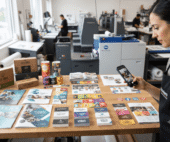
Printing companies create products that people can see, touch, and use every day. From business cards and brochures to product packaging, banners, labels, and promotional merchandise, every finished project reflects a company’s creativity and quality. But how can printing businesses make more potential customers aware of their work?
The answer is social media marketing.
Today, customers often explore a business online before contacting a service provider. For printing companies, social media offers an opportunity to showcase completed projects, demonstrate printing capabilities, build trust, and attract new business inquiries.
With the right strategy, social media marketing for printers can turn everyday printing projects into valuable marketing assets. In this guide, we explore practical ways printing businesses can use social media to increase visibility, connect with customers, and generate qualified leads.
Why Is Social Media Important for Printing Companies?
Traditional marketing methods, such as referrals, local advertising, and networking, remain valuable. However, social media helps printing companies reach a wider audience and display their work consistently.
Platforms such as Instagram, Facebook, LinkedIn, and Pinterest allow businesses to share photographs, videos, customer stories, and project updates with potential customers.
For example, a commercial printer can showcase high-quality product packaging, while a local print shop can promote business cards, flyers, and banners to nearby businesses.
Effective social media for printing businesses can help you:
- Increase brand awareness among potential customers.
- Showcase the quality and variety of your printing services.
- Build credibility through real project examples and customer feedback.
- Reach businesses looking for reliable printing partners.
- Generate inquiries for bulk orders, repeat projects, and custom printing requirements.
The key is to treat social media as a business development channel rather than simply a place to publish photographs.
1. Showcase Your Best Printing Projects
One of the biggest advantages of social media marketing for print shops is the ability to display finished products visually.
Instead of telling customers that you provide high-quality printing, show them the results.
Share clear photographs and short videos of completed projects, including:
- Business cards, brochures, and flyers.
- Product labels and packaging.
- Event banners, signage, and exhibition displays.
- Promotional merchandise and branded products.
- Custom invitations, posters, and marketing materials.
Use natural lighting, clean backgrounds, and close-up shots to highlight colours, paper textures, finishing techniques, and print quality.
For example, a post featuring a premium business card can explain the paper stock, matte finish, and design choices that make the product stand out.
Always include a short description of the project and a relevant call to action, such as “Need professionally printed business cards for your business? Contact us for a quote.”
This approach helps potential customers understand your capabilities and encourages them to enquire about similar projects.
2. Choose the Right Social Media Platforms
Not every platform serves the same purpose. Your choice should depend on your target audience, products, and business goals.
- Instagram: Ideal for showcasing visually appealing print products, behind-the-scenes videos, Reels, and before-and-after designs.
- Facebook: Useful for promoting local printing services, sharing customer reviews, announcing offers, and reaching nearby businesses.
- LinkedIn: Particularly valuable for commercial printers targeting corporate clients, marketing agencies, event organisers, retailers, and other B2B customers.
- Pinterest: Suitable for sharing design inspiration, packaging ideas, wedding stationery, and creative print applications.
For example, a printing company that specialises in exhibition graphics may benefit from LinkedIn networking and Instagram project videos. A local shop offering flyers, invitations, and business cards may find Facebook and Instagram more useful.
Start with one or two platforms where your target customers are active. Publish consistently, measure results, and expand when you have the resources to maintain quality.
3. Create Engaging Content That Demonstrates Your Expertise
A successful printing company social media strategy requires more than posting finished products. Your content should educate, inspire, and help potential customers make informed decisions.
Here are practical social media content ideas for printers:
- Behind-the-scenes videos: Show printing machines in action, colour matching, cutting, lamination, binding, or packaging. These videos help customers appreciate the work involved in producing professional print materials.
- Before-and-after transformations: Present the original design alongside the finished printed product to demonstrate how digital artwork becomes a physical marketing asset.
- Educational posts: Explain the differences between paper finishes, printing methods, material options, and finishing techniques.
- Customer success stories: With permission, highlight how a business used printed brochures, labels, signage, or promotional products for a campaign or event.
- Seasonal promotions: Share relevant printing ideas for trade shows, festive campaigns, product launches, conferences, and local events.
- Frequently asked questions: Answer common questions about minimum order quantities, turnaround times, artwork preparation, and quotation requirements.
This content mix positions your business as a knowledgeable printing partner rather than just another supplier.
4. Use Social Media to Reach Business Customers
Printing companies often serve specific industries, including healthcare, retail, real estate, hospitality, education, and events. Each industry has different printing needs.
For example:
- Real estate agencies may need property brochures, signboards, and promotional flyers.
- Healthcare businesses may require appointment cards, informational leaflets, and branded stationery.
- Retailers may need product labels, packaging, shelf signage, and promotional displays.
- Event organisers may require banners, badges, posters, and exhibition materials.
With social media marketing for commercial printers, businesses can create content tailored to these audiences.
Instead of publishing a generic post about printing services, create a post titled “5 Essential Printed Materials for Your Next Trade Show” or “How Custom Product Labels Help Retail Brands Create Consistent Packaging.”
Relevant content attracts customers who recognise a specific need and may be ready to discuss an upcoming project.
You can also use LinkedIn to connect with purchasing managers, marketing teams, designers, and business owners who regularly require printing services.
5. Turn Social Media Engagement into Qualified Leads
Likes and followers can increase visibility, but printing companies also need enquiries and sales opportunities.
To generate leads, make it easy for potential customers to take the next step.
- Include clear calls to action. Encourage people to request a quotation, send a direct message, visit your website, or discuss a custom order.
- Make contact information accessible. Add your website, business contact details, and relevant service information to your profiles.
- Use project-specific landing pages. Direct interested users to a page explaining the relevant service, displaying examples, and offering a simple enquiry form.
- Respond promptly. Answer questions about materials, pricing, delivery, and order requirements professionally.
- Use targeted advertising when appropriate. Social media ads can help you reach selected audiences, promote specific services, and retarget interested website visitors where tracking and platform policies permit.
For better lead quality, ask potential customers for essential details such as product type, quantity, dimensions, delivery location, and expected deadline.
These details help your sales team prepare more relevant quotations and identify serious enquiries.
6. Measure Results and Improve Your Strategy
Effective digital marketing for printing companies requires ongoing measurement.
Track metrics that connect marketing activity with business outcomes, including:
- Website visits from social media.
- Direct messages and quotation requests.
- Enquiry form submissions.
- Cost per lead from paid campaigns.
- Leads converted into paying customers.
- Revenue generated from social media campaigns.
Review your performance monthly. If packaging videos generate more enquiries than general promotional posts, create more content around packaging projects.
If LinkedIn generates valuable corporate leads, invest more time in industry-specific posts and professional networking.
Use these insights to refine your content, advertising, and sales follow-up process.
How RT Technolab Can Help Your Printing Business Grow
Managing social media while handling printing orders, production schedules, and customer relationships can be challenging. Without a clear plan, businesses may post inconsistently or struggle to turn engagement into enquiries.
RT Technolab helps businesses strengthen their online presence through digital marketing solutions designed to support visibility, customer engagement, and lead generation.
For printing businesses, a structured marketing approach can include social media content planning, creative campaign development, audience targeting, paid advertising, and website optimisation.
The objective is to showcase your work effectively, reach relevant customers, and create a clearer path from discovering your business to requesting a quotation.
Whether you run a local print shop or a commercial printing company, the right marketing strategy can help you communicate your capabilities and build stronger customer relationships.
Final Thoughts
Social media gives printing companies a practical way to turn their everyday work into powerful marketing content. By showcasing completed projects, educating potential customers, targeting relevant industries, and making enquiries easy, businesses can build visibility and create new sales opportunities.
A consistent strategy matters more than simply posting frequently. Focus on content that demonstrates quality, solves customer problems, and encourages meaningful conversations.
With the right support from RT Technolab, your printing business can develop a stronger digital presence and turn its best work into opportunities for sustainable growth.